Storm Season Preparation: Electrical Safety Tips for Naperville Homes
Increased utility charges can be caused by various factors including how much power your home devices use, poorly performing heating and cooling units, inadequate home insulation, copyright power drain by electronics, and varying climate conditions. Your providers' billing structure also plays a significant role. If you're operating power-hungry appliances, your costs will probably increase. Unexpectedly large invoices may suggest deteriorating home equipment. By analyzing these aspects thoroughly, you'll find opportunities to decrease your expenses and optimize your home's energy performance.
Main Points
Making Sense of Your Electric Bill: Rates and Consumption
Puzzled by why your power bill keeps climbing? Usually, it's not just about your electricity usage, but also about your energy supplier's fee structure and price variations. Here's the thing, providers calculate bills differently. Some use a graduated pricing structure, where the rates climb higher as you consume more power. Many feature time-of-use rates, applying higher rates during busy periods. Weather-related price adjustments are also significant. Consider this, rates are usually higher in summer due to higher usage. It's crucial to comprehend these elements because they affect your bill regardless of your power consumption behavior. Therefore, examine more than consumption - review your rate structure as well.
The Impact of Home Appliances on Your Electric Bill
Your household appliances might be the key contributor to your expensive utility bills. Different appliances use varying amounts of power, which impacts your overall power consumption. To manage your utility costs, it's crucial to monitor and decrease how much energy these appliances use.
Energy Usage of Home Appliances
Knowing about the power consumption of your household appliances can help explain that increasing power bill. Every appliance you own, including washers and refrigerators, has different power requirements. Energy-saving appliances typically require less energy, resulting in cost savings in the long run despite their bigger upfront price. Additionally, the age of your appliances plays a crucial role on power consumption. When appliances age, they tend to become more wasteful, leading to increased energy consumption. For instance, an old inefficient refrigerator can consume up to three times the energy of a new, efficient version. Therefore, understanding your appliances' energy consumption becomes essential for controlling your power bills.
Lowering Energy Consumption of Appliances
While it might appear challenging, cutting down on appliance power usage is not just possible but also extremely advantageous for both your wallet and the environment. Energy-efficient appliances can create substantial changes, as they're created to optimize energy usage. Various appliances include eco-modes that further decrease energy usage. However, it's not just about what appliances you use, but the way you operate them. Minimize usage during peak energy periods to prevent increased costs. Think about scheduling an energy assessment. This comprehensive review of your home's energy use can identify areas where you're losing energy and offer improvement options. Remember, every small change helps, and combined they can lead to substantial savings on your electric bill.
Smart Lighting Solutions: Reducing Your Energy Costs
Have you ever considered how transitioning to energy-efficient lighting can significantly reduce your electric bill? It all comes down to the perks of LED technology. Standard incandescent bulbs use a substantial amount of energy to produce light, mostly through heating a filament. LEDs, in contrast, use semiconductors to convert electricity directly into light, making them more economical. A basic lighting upgrade to LEDs can lead to significant savings on your electric bill. Additionally, LEDs last longer than traditional bulbs, decreasing replacement costs. They also work at a cooler temperature, which can assist in keeping your home cooler, another way to cut energy costs. So, by changing to energy-efficient lighting, you're creating a better-lit, more cost-effective future.
The Effect of HVAC Systems on Energy Costs
Many people don't know that your HVAC system could be the primary reason behind your elevated utility costs. To fully grasp this, you should understand how HVAC systems use energy and explore ways to improve system efficiency. Make sure to consider the unexpected expenses linked to HVAC systems, as they can significantly affect your energy costs.
Exploring HVAC Energy Requirements
Do you ever think about how much energy your HVAC system uses? It's a significant factor in your elevated electric bills. HVAC systems, consisting of heating, ventilation, and air conditioning, are often the primary energy consumers in a household. Periodic energy audits can demonstrate the full scope of this consumption is. These audits analyze your appliances' energy consumption and detect areas of energy loss. Your HVAC system might be working harder than necessary due to inadequate insulation, air leaks, or aging systems, resulting in increased energy consumption. Understanding this can help clarify why your electric bills are so high. Don't forget, awareness of your HVAC energy consumption is an essential first step toward reducing your energy costs.
Enhancing Climate Control Effectiveness
Ever wonder why your heating and cooling system leads to such high energy costs? The reason is that these systems, when not operating efficiently, require more energy than necessary. To enhance efficiency, you should consider smart thermostat installation. They learn your patterns and make automatic adjustments, saving energy during periods of absence or sleep.
Energy audits are an essential resource. An energy specialist evaluates your home, pinpointing inefficient energy zones and delivering suggestions for upgrades. They may recommend addressing air infiltration or upgrading insulation, for instance. By improving your system's performance and investing in energy-saving measures, you'll notice a significant drop in your electric bills. Don't forget, it goes beyond cutting bills; it's equally about developing a more sustainable, energy-efficient home.
Uncovering HVAC System Expenses
Hidden costs commonly exist in how you operate your HVAC system, having a substantial role in raising energy bills. Routine HVAC maintenance allows you to uncover these concealed expenses. As an example, a poorly maintained system requires more effort, consuming more energy and driving up your bills.
Carrying out energy evaluations can uncover these concealed costs. An energy audit evaluates the amount of energy your property uses and highlights actions you can take to boost your property's energy performance. It can reveal inefficiencies in your HVAC system's efficiency, such as leaking ducts or poor insulation levels, which can be fixed to ensure peak performance. Understanding these hidden costs is key to managing your energy consumption and ultimately, your electric bill.
Hidden Power Drain: Understanding copyright Energy Costs
Even though many assume that powering down your electrical devices totally eliminates their power consumption, this isn't actually true. Your devices, even when powered down, still consume what's called a 'copyright load'. This represents the power consumed by a device when it's inactive, but remains connected. It's an invisible cost that can significantly increase your energy expenses.
How Insulation Impacts Your Power Consumption
It's surprising to learn that your home's insulation plays a significant role in your electricity consumption. First, it's important to grasp the basic principles of insulation and how it works in your home. Once you understand this, we can examine insulation's contribution to energy efficiency and discuss strategies for enhancing insulation to reduce your bills.
Insulation Basics: A Primer
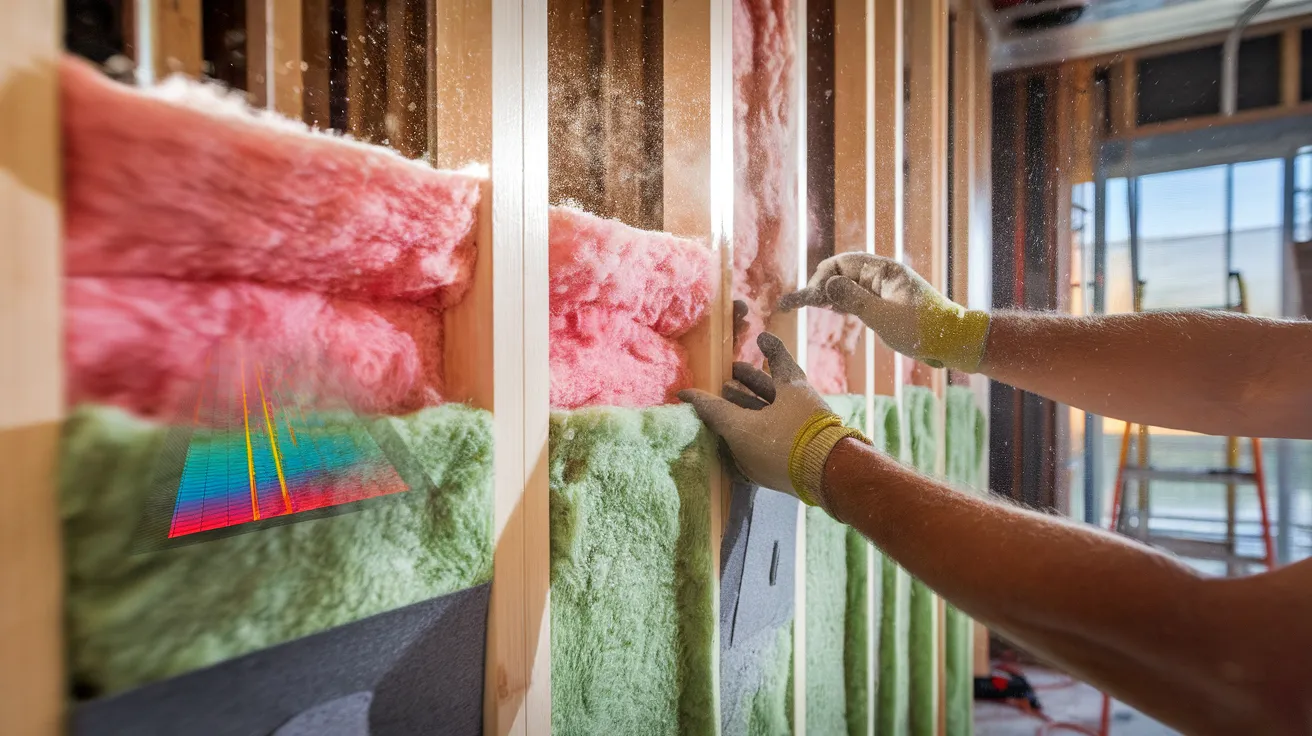
Have you ever wondered what effect insulation has on your electricity bill? The key to understanding insulation lies in its purpose: to prevent heat flow. The better the insulating properties, the less heat is lost or gained, and the lower the strain on your HVAC system.
Various types of insulation are available, each providing distinct benefits. Common insulation materials include fiberglass, mineral wool, cellulose, and foam. Fiberglass stands out as light and straightforward to apply, while mineral wool provides excellent fire resistance. Cellulose, created using recycled paper, is eco-conscious, and foam provides superior heat insulation.
Knowing these basics can help you make informed determinations about home insulation, ultimately impacting your energy usage.
Understanding Insulation's Energy Efficiency Role
It's often overlooked that insulation plays a crucial role in reducing energy consumption. By maintaining thermal barriers, insulation materials help decrease the energy consumption your heating and cooling systems require to keep a pleasant indoor temperature. Therefore, the better your insulation, the more energy you'll save, and the lower your energy costs will be. However, not all insulation offers identical benefits. Various products have varying levels of effectiveness, determined by their R-value. Materials with high R-values offer superior thermal resistance. This is where energy audits are crucial. These inspections, carried out by professionals, analyze your home's insulation and identify any problems. Having this information, you can select effective improvements that could significantly reduce your electricity consumption.
Improving Insulation for Reduced Utility Costs
Upgrading your home's insulation is a reliable strategy to reduce electricity usage and as a result, your energy bill. By utilizing high-quality insulation materials, you can form a layer that reduces heat loss and gain, thus reducing the amount of energy your climate control equipment use to maintain optimal temperatures. However don't rely on guesswork. Performing energy assessments helps identify precisely where your home is wasting energy. You may find that your exterior walls, roof, or basement requires more insulation. Keep in mind the type of insulation product you choose and the location where you place it makes a significant difference. Popular choices include fiberglass, cellulose, and spray foam. Thus, invest time in research the specifics, and you'll observe a significant drop in your energy expenses.
The Connection Between Your Devices and Increased Energy Costs
What's the connection between your electronics and your escalating electric bill? Your electronic gadgets, while useful, are often click here power hungry. Even when they're idle, they're still consuming power. Experts refer to this as "copyright power" and it secretly increases your rising utility bills. Your household gadgets, whether it's your new smart TV or your portable device, are steadily consuming power.
Here's where energy monitoring comes in. Understanding your devices' power consumption can help manage your energy usage. Energy tracking devices deliver instant information, spotlighting which appliances are costing you more. Once you discover these high-consumption appliances, you can change your usage patterns or upgrade to energy-saving alternatives. Remember, knowledge is power and in this case, it could lead to significant savings on your electric bill.
Water Heating's Significant Role in Your Energy Costs
Have you thought about the impact of your water heater on your energy bills? The impact is substantial. Water heating systems require more energy than most other home appliances. Consistent water heater maintenance is key to keeping energy efficiency. Build-up of sediment diminishes the unit's efficiency, requiring more power and increase energy usage. Through regular heater maintenance, you can minimize this effect. Installing energy efficient models can lower your bills. These systems require less electricity to heat an equal amount of water, decreasing your energy bills. Finally, pay attention to the temperature setting. Lowering it by a couple of degrees can create measurable savings. For decreased utility expenses, make sure to check your water heater.
How Weather Affects Your Electric Bill
While you don't typically link weather to your electricity bill, it plays a crucial role. Seasonal changes and weather variations can lead to significant changes in your energy use. In summer, the warm conditions often means your air conditioning system operating harder to preserve a comfortable indoor temperature, using more energy. Conversely, in winter, your heating system follows suit to counter cold temperatures. Additionally, even slight weather changes, like cloudy versus sunny weather, can affect your use of artificial lighting. Therefore, grasping the relationship between weather and electricity use is crucial. To regulate your bill efficiently, it's necessary to be attentive to these impacts and modify your consumption accordingly.
Professional Energy-Saving Guidelines From a Naperville Electrician
Having understood how weather affects your power usage, let's explore some practical power-saving strategies from a qualified Naperville electrician. To begin, think about installing a smart home system. Smart thermostats and lighting systems can maximize energy use based on your habits and preferences, significantly decreasing wastage. Moreover, think about investing in renewable energy alternatives. Solar panels, for example, can produce electricity for your home and additionally feed excess power back to the grid. This not merely cuts your electric bill but moreover supports a more sustainable future. Keep in mind every little action you take towards energy efficiency doesn't just reduces your monthly expenses but furthermore minimizes the impact on our planet.
Frequently Asked Questions
What Variables Influence the Charges on Your Electric Bill?
Your electric bill's rates are largely determined by your household's power consumption and rate adjustments from your utility provider. Higher energy consumption or changes in the provider's pricing can cause larger monthly statements.
Understanding the Impact of Cooking Appliances on Your Electric Bill
Your cooking habits has a considerable impact on your power consumption. If you often rely on power-hungry kitchen equipment, they use excessive power. Through better usage habits and choosing more efficient equipment, you can expect lower costs in your monthly electric bill.
What's the Impact of Space Heaters on Electricity Costs?
Without a doubt, operating a space heater can substantially boost your power bills. Remarkably, space heaters may require significantly more energy compared to LED lights. When your room isn't properly insulated exacerbates the problem, allowing heat to escape and reducing your space heater's effectiveness.
How Will Solar Panels Influence Your Monthly Electric Bill?
Solar installations can dramatically lower your electric bill. They create energy savings by transforming solar energy into power, minimizing your dependence on the utility grid. This results in energy autonomy, and it can greatly decrease your electricity expenses.
Are There Government Programs Available to Help With High Electricity Costs?
Absolutely, help is available! Consider exploring assistance programs including LIHEAP, or utility discounts provided by your local government. They're designed to help folks who're struggling with high electricity costs, which matches your situation.
Final Thoughts
Wondering about your sky-high electric bill? It comes down to the way you use appliances, lights, and temperature control. Let's not overlook copyright power drain, electronic devices, and water heating costs, plus the impact of seasonal weather changes. Getting to know these factors is crucial for reducing your energy expenses and maximizing energy performance. As a professional electrician serving Naperville, I can guide you through these electricity-draining problems. We can partner to convert your excessive costs into real savings and develop a home that's both economical and energy-conscious.